AC Repair Warranty Tips for Kansas City Homeowners
Kansas City summers have a way of exposing weaknesses fast. A tiny refrigerant leak that you would barely notice in May turns into a full-blown “why is the house 82 degrees at 10 p.m.” situation by July. When your AC does fail, you want more than a quick fix. You want the repair backed by a warranty that actually protects you, not just a promise written in fine print.
I’ve seen homeowners lose money because they treated a warranty like a receipt you keep in a drawer instead of a set of conditions you actively manage. This guide is about the practical steps that keep your repair coverage intact, reduce the chance of repeat failures, and help you understand what to ask your HVAC contractor in Kansas City MO before you sign.
Start with the real goal: protect both the system and your wallet
A warranty is only as useful as the paperwork and the choices that happen around it. In the field, the most common warranty problems are not “the contractor is dishonest.” They’re usually preventable misunderstandings, missed maintenance requirements, or repairs that were partly caused by something else already going wrong.
For example, a technician can replace a failed capacitor and give you a warranty on labor and parts. But if the outdoor unit is already struggling because of clogged condenser coils or a failing contactor that was masked as “weak cooling,” you might end up with a second breakdown soon after. The second call might be treated as separate, not covered as the same issue.
That’s why warranty tips are really system tips. When you reduce stress on the equipment and document what was done, you improve your odds of coverage and lower the chance you pay twice.
Know what your warranty likely covers, and what it usually does not
Homeowners often hear “warranty” and assume it’s a guarantee that the AC will never fail again. Most warranties are narrower. They usually cover specific parts that failed within a specific time window, sometimes with separate rules for labor.
A few things to look for when you read the warranty terms:
- Parts vs. Labor coverage. Some warranties cover the part cost but not the labor. Others offer labor coverage for a limited time.
- The failure definition. Warranties usually cover defects or failures, not “system performance problems.” Low airflow, restricted airflow, dirty filters, and duct issues may be treated as maintenance or system balance issues.
- Condition requirements. Many warranties require proper installation, correct refrigerant charge, and reasonable maintenance like AC maintenance in Kansas City. If the indoor filter was never changed, or the outdoor unit was buried under debris, the paperwork matters.
- Authorized service rules. If you have work done by someone else, the warranty may require that the original diagnosis and replacement match the manufacturer’s requirements.
I’m not saying warranties are useless. I’m saying they behave like contracts. Your job is to make sure you and the contractor are working inside the same rules.
The warranty conversation should happen before the repair
If you wait until after the unit is fixed to ask warranty questions, you’re already in a weaker position. Before any work begins, you want to confirm three basics:
- Will the repair include a written warranty?
- Is it from the HVAC contractor, the manufacturer, or both?
- What exactly is covered, and for how long?
For AC repair in Kansas City MO and HVAC repair in Kansas City MO, this is especially important because local weather swings stress systems differently than in milder climates. Heat pumps and conventional AC units can be pushed hard during peak humidity and storm cycles. If your warranty is vague, you can get stuck explaining the cause of failure later.
Ask the contractor to spell out the coverage in plain language, then confirm it in writing. If the answer is “it’s covered,” that’s not enough. You want specifics like part type and duration.
Keep the documentation tighter than you think you’ll need
It’s tempting to toss receipts once you’re relieved the air is running. Don’t. Warranty coverage often depends on what can be proven if there’s a dispute.
In my experience, the best homeowners keep a small folder with:
- The estimate and invoice from the repair
- The invoice or documentation for any parts installed
- Any warranty certificate provided at the time of service
- A note that includes the date of diagnosis and what the tech said caused the issue
This isn’t about being suspicious. It’s about making it easy for the next service call to be resolved quickly, especially if you have to schedule another HVAC contractor in Kansas City MO and want them to honor the prior work.
Here’s a simple, practical approach that takes about five minutes per visit.
Quick warranty paperwork checklist
- Save the paid invoice and estimate paperwork from the repair visit
- Confirm the warranty start date on the invoice or warranty card
- Photograph or write down the installed part name and model number
- Keep any maintenance records that were required for coverage
- Note the symptoms that led to the repair, while they’re fresh
Understand the difference between “same problem” and “related problem”
This is where many warranty misunderstandings happen. Suppose your technician replaces a compressor contactor and your unit runs fine for a month. Then the system starts cycling off again, and the technician finds the compressor drawing abnormal current. Are you now paying for another part, or should the warranty cover it because it’s connected?
Many warranties handle these scenarios like this: coverage applies to the specific part that failed due to a defect. If the new failure is caused by an underlying issue the original repair didn’t address, the contractor may treat it as a separate matter.
The right way to prevent that is diagnostic discipline. A good HVAC contractor will test the system, not just replace a part and hope for the best. If the first repair only swapped components without checking related conditions, warranty disputes become more likely.
When you schedule AC maintenance in Kansas City, you’re not just preventing breakdowns. You’re building evidence that the system was cared for and that issues were caught early instead of being masked until they caused secondary damage.
Installation quality still matters, even years later
Even when you’re dealing with “AC repair,” installation quality can affect warranty outcomes. A poorly installed unit, incorrect refrigerant charge, or missing components can lead to recurring problems that look like repeated failures.
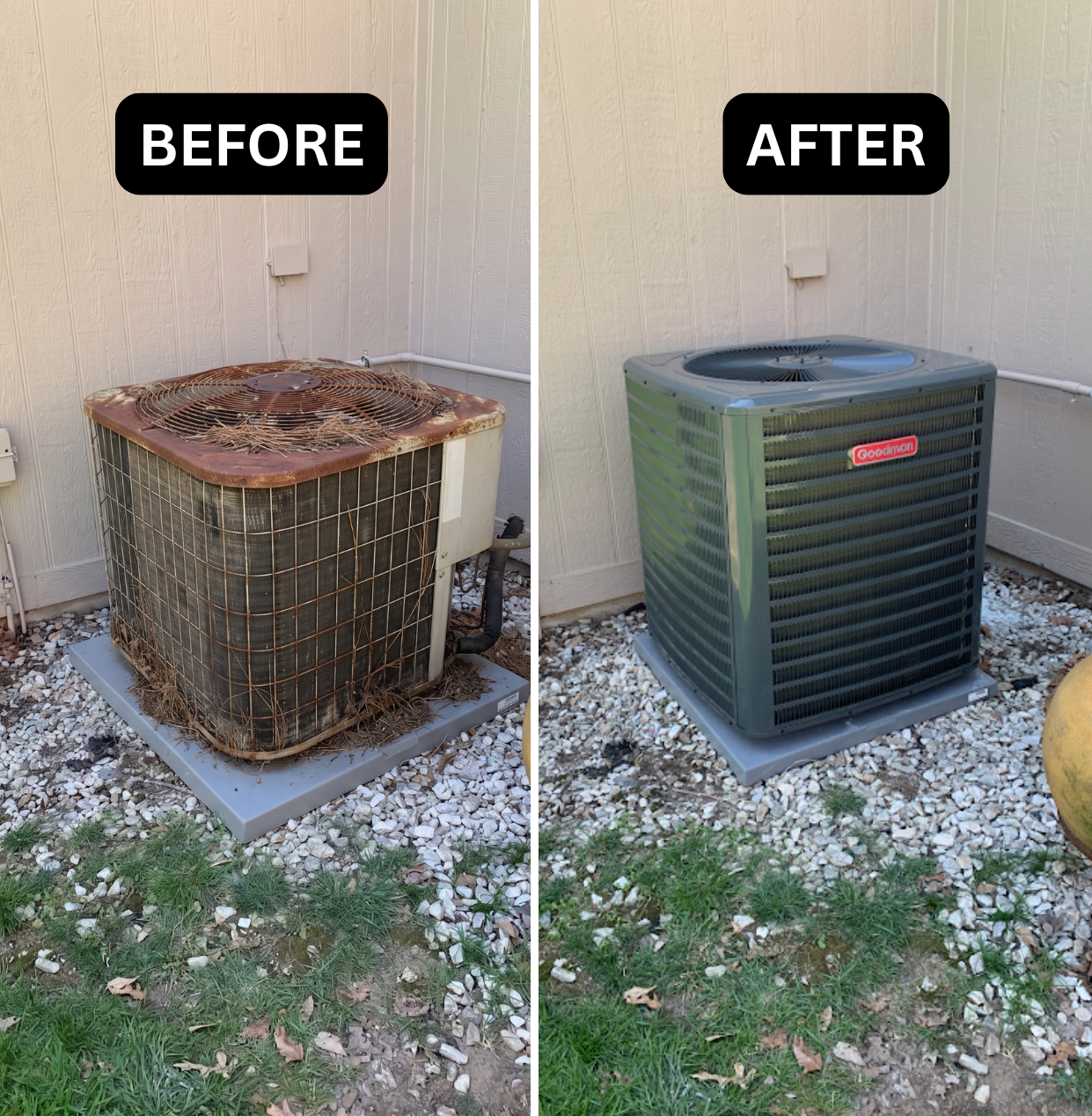
If you had AC installation in Kansas City done recently, take a close look at what was documented. Was the unit sized properly for the home’s load? Were ductwork and airflow expectations discussed? Was there a commissioning or start-up process that included measurements?
If you purchased a warranty tied to the install, the paperwork you received at installation matters. If you moved into a home with older equipment, you can still protect yourself by making sure future repairs are done to current best practices. That can include confirming refrigerant pressures, checking electrical connections, verifying airflow, and ensuring the thermostat is compatible and correctly configured.
Maintenance can be a warranty requirement, not a suggestion
A lot of warranties depend on reasonable maintenance. Some manufacturers are strict, others more flexible, but the common theme is that neglect makes it harder to justify coverage.
In Kansas City, filters, coil cleanliness, and outdoor unit airflow become major variables. Dust and pollen can build up quickly. A thick layer of grass clippings or leaves on the outdoor coil can push the system into higher head pressure, which shortens the life of components. When a compressor fails after months of restricted airflow, a warranty claim is less likely to be approved if the maintenance requirements were ignored.
You don’t need to babysit every day. But you should do two things consistently:
- Change or service the indoor filter on schedule, or sooner if you have pets or allergies.
- Keep the area around the outdoor unit clear and clean, without covering it or restricting airflow.
If your system uses a washable filter, follow the manufacturer’s cleaning guidance. “Wash it whenever you remember” can still create airflow issues if it’s not done properly.
Ask for the diagnosis, not just the part
Homeowners tend to focus on the replacement part because it’s tangible. I get it. You want to know what broke. But you also need to know why it broke. The “why” can determine whether the warranty covers the repair or whether you’ll get stuck paying for repeat failures.
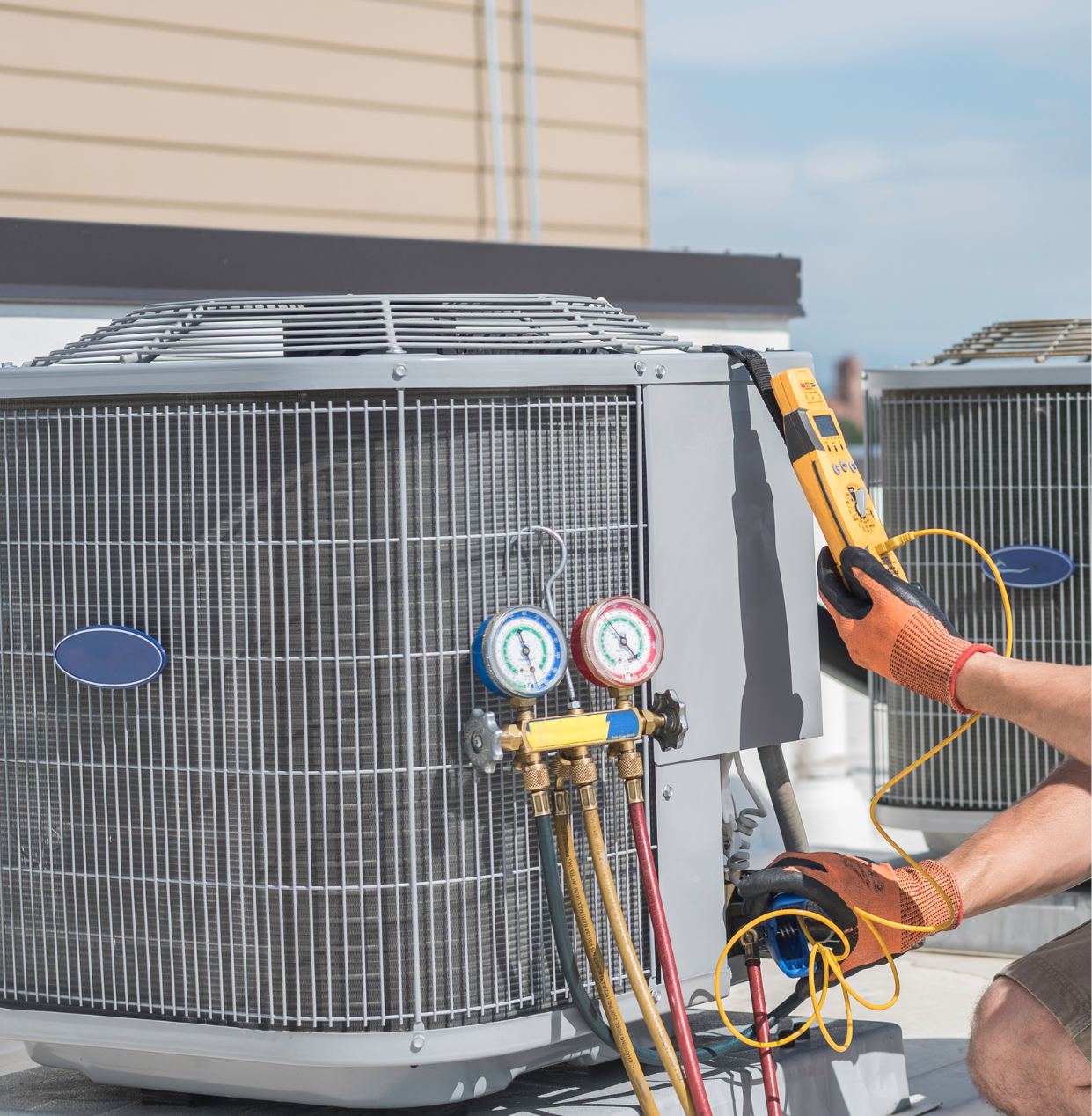
A strong diagnosis usually includes observing symptoms and checking likely causes. It may involve inspecting electrical components, verifying voltage, checking airflow, examining the indoor evaporator and outdoor condenser coils, and confirming the refrigerant system is behaving normally under operating conditions.
When the technician only gives you a short explanation like “the compressor is bad” without describing what tests were done, you’re paying for a guess. That’s not always because the contractor is careless. Sometimes the system is hard to troubleshoot. Still, for warranty protection, you want enough detail to connect the repair to the system condition.
If you’re unsure, ask questions like:
- What did you measure that led you to replace this part?
- Were you able to confirm airflow and operating pressures were within expected range?
- If you replaced a capacitor or contactor, what else could have contributed to its failure?
- What maintenance actions should I take to prevent recurrence?
Good answers may not guarantee coverage, but they improve your odds dramatically.
Know the warranty language about conditions and exclusions
Warranties often contain exclusions that aren’t intuitive. Some examples of common warranty exclusions include:
- Damage from improper installation
- Damage from neglect or lack of maintenance
- Repairs made by unauthorized parties
- Failures caused by power surges or improper electrical supply
- Misuse or altered equipment
Power quality is a big deal in older neighborhoods and during storm season. Kansas City can experience voltage swings, lightning, and power disruptions. If your unit uses an uncovered electrical path or you have a history of tripped breakers, it may matter in the warranty conversation.
If you’ve had repeated surges, ask the contractor whether a surge protector is recommended and how to install it correctly. If the warranty requires specific equipment or installation methods, having this discussed upfront can save you headaches.
Timing matters: the sooner you report the issue, the better
If your AC is underperforming for weeks, part of the system can degrade further. That can change what failed first, which matters for warranty claims. A compressor can be pushed into a failing state because airflow was restricted or because the system ran with abnormal load.
When you notice a problem:
- Listen for changes in sound. A new grinding noise or loud hum can signal a component wearing out.
- Watch the pattern. Is it short cycling? Does it run for five minutes then shut down? Does the indoor air feel warm even when the outdoor unit runs?
- Check the thermostat behavior. If it’s calling for cooling correctly but the system won’t maintain set temperature, that’s important context.
The fastest route to a clean warranty outcome is prompt service and clear symptom reporting.
Two real-life warranty scenarios I’ve seen play out
Scenario one: the “easy” part that became a repeat call
A homeowner had a unit that wouldn’t start. The technician replaced a capacitor, the system ran, and the homeowner was relieved. But the condenser coil had heavy debris and the outdoor fan was not pulling air as strongly as it should have. The capacitor replacement solved the immediate start problem, yet the unit continued working under stress. A few weeks later, another component failed. The homeowner assumed it should be covered under the same warranty because “the problem started the same way.”
In disputes like this, the repair might still be covered for the original capacitor, but the second failure is treated as a separate issue. The better move would have been addressing airflow and cleaning during the first visit, or at least documenting that coil conditions were checked and explaining what else might cause future failures.
Scenario two: a maintenance-backed warranty win
Another homeowner had recurring symptoms and decided to keep records. They changed filters on schedule, documented dates, and asked the contractor to write down the cause and the recommended maintenance steps. When the second issue arrived, the technician reviewed the prior repair documentation and confirmed the system was maintained properly. The warranty claim moved faster because the evidence matched the warranty terms.
This is the uncomfortable truth: warranties tend to be easiest when the story is consistent and documented. “Trust me” is weaker than “here’s what you installed and here’s what I did.”
What to ask when you call the next time (and the next)
Kansas City homeowners often switch contractors when the first company isn’t available. That’s normal. Still, if you want warranty protection to follow you, make sure you’re not starting the conversation from scratch.
When you call HVAC repair in Kansas City MO, ask for:
- A review of the prior invoice and installed parts
- Confirmation that the symptoms match the original diagnosis
- A diagnosis plan that includes measuring airflow and checking related components
- Written coverage details for the new repair, even if the job feels like a continuation
If a contractor is unwilling to review previous documentation or provide clear written details, that’s a yellow flag. You may not need that kind of friction when your AC is already stressing your family and your utility bills.
How to minimize warranty headaches during peak summer weeks
Service times can stretch during the hottest weeks, and you might feel pressure to accept whatever “next available” solution is offered. I get it. Your house is 84 degrees and you just want air.
But even in urgent situations, you can protect yourself without delaying repairs too long:
Small judgment calls that protect coverage
- Insist on a written warranty summary before the work starts
- Don’t accept vague diagnoses, ask what was tested and what changed
- Request photos if the repair involves hard-to-verify conditions, like coil buildup
- Keep the thermostat settings and filter schedule consistent after service
- If the contractor recommends maintenance to prevent recurrence, get it in writing
When a warranty claim should be handled, and when it’s not worth fighting
There’s a point where disputes cost more than they solve. If the warranty is truly tied to a defective part and the failure happened within the coverage window, a claim is reasonable. If the new failure clearly points to neglect or a separate underlying issue, pushing too hard may waste time and strain relationships.
From experience, the best approach is straightforward: request the warranty coverage details in writing and ask what evidence they need to approve the claim. If the contractor is professional, they’ll explain the reasoning and the documentation required. If they shut you down or refuse to provide specifics, you at least have clarity that the relationship won’t support a smooth resolution.
Contractor choice affects warranty outcomes more than you might think
A warranty is not just about the manufacturer. It’s also about how the work is done and how the contractor communicates. An HVAC AC repair in Kansas City MO contractor in Kansas City MO that provides clear estimates, thorough diagnostics, and written coverage terms makes warranty issues easier to resolve.
When you’re comparing service providers, look beyond price. Price matters, but the cheapest option can cost you if the repair is incomplete or poorly documented. In the warranty world, documentation is not paperwork for paperwork’s sake. It’s how you connect the failure to the repair and prove the repair was done under correct conditions.
The Kansas City checklist: what to watch season to season
Kansas City weather changes quickly, and your AC doesn’t fail only during extreme heat. It can fail after storms, after long periods of use, or even during shoulder seasons when maintenance slipped. As a homeowner, you can reduce risk by staying ahead of the big causes of component stress: restricted airflow, dirty coils, and unstable electrical operation.
Plan your AC maintenance in Kansas City early enough that technicians aren’t booked solid. If you wait until the hottest week, you’re not only risking downtime, you’re also more likely to accept repairs without time for full diagnostic and documentation.
If you’ve already had warranty repairs, keep that maintenance momentum going. A warranty repair that comes with a lesson is still a win, even if it’s frustrating at the moment. The goal is to reduce the chance you repeat the same problem.
Final takeaway: warranties reward clarity, maintenance, and follow-through
A warranty can protect you, but it doesn’t protect you automatically. The best outcomes happen when you do three things consistently: get written warranty terms, document what was installed and why, and maintain the system so the equipment operates as intended.
When your AC acts up again, you’ll be in a stronger position. You’ll know what to ask, what paperwork to provide, and how to spot when a repair is really a fix or just a temporary stopgap. That’s how Kansas City homeowners turn warranty coverage into something practical instead of stressful.
All 4 One Heating & Cooling
5828 Woodland Ave, Kansas City, MO 64110, United States
816-699-8366
[email protected]
Website: https://all4onekc.com/